When one hears Turkey, the two places that echo loud are Istanbul and Cappadocia. They are beautiful, offering interesting sights to see and breathtaking landscapes to be amazed at, but Türkiye is beyond just these places. From Erzurum and Kars in the far east, to Diyarbakir and Mardin in the south-east to Gaziantep in the south-central region, offer a more authentic touch into Turkey’s rich history and culture.
After spending a week in the Marmara and Aegean regions exploring Istanbul, Selçuk and Cappadocia, I took the Doğu Express to Erzurum, passing through mountains sparkling in snow. It felt like walking in a winter dream land, the one that is lost in a clutter of the Switzerland winter fantasy.
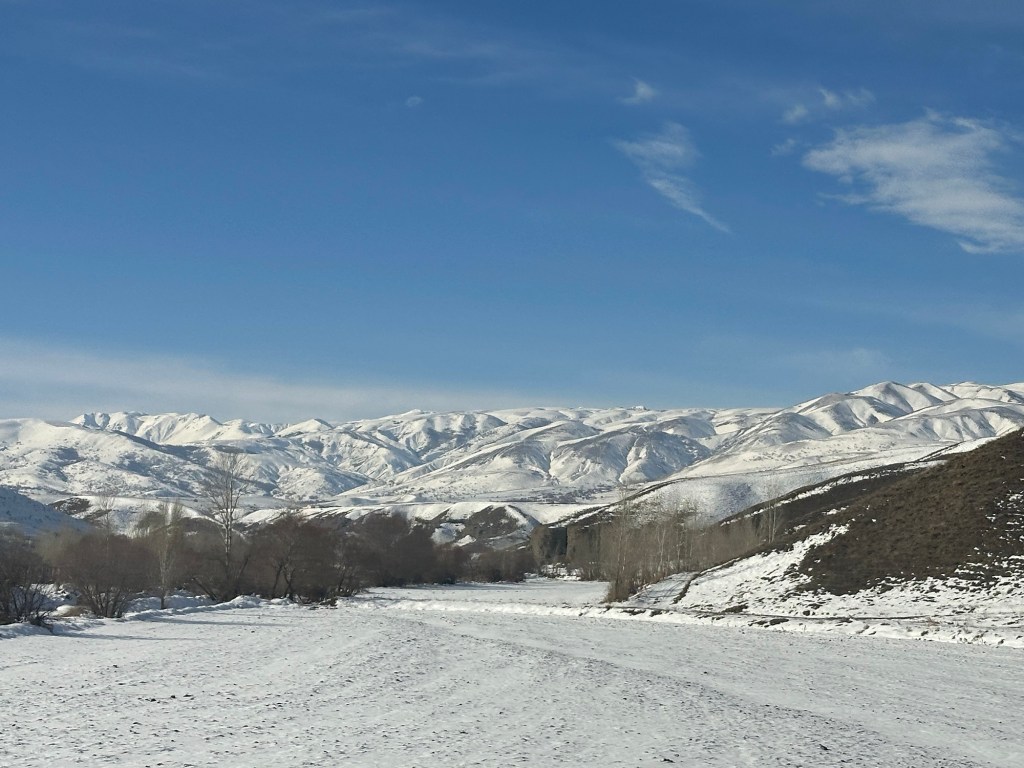
As I walked into the hotel brushing off the black ice on my shoes, my host offered me a hot cup of çay (tea). Stepping outside was just the breath of fresh air I needed, away from the tourist crowds. Erzurum was my introduction to the Turkish hospitality. After a taxi ride worth 100 Lira dropped me off at the bus station, I stood there confused trying to figure my way out to Narman. I reached out to a man passing by, and he took me to the office where Omer, the ticket issuer, helped me with all the details. He reserved the seat in the front, so I could click pictures, dropped me off right at the place, called up his friends at the hotel there, had everything arranged and treated me to a delicious lunch. The people, the place, and heritage of Eastern Turkey is worth every second of your time.
Here are my top experiences you should immerse in, to get a taste of the region, that will stay with you for days after you’ve left.
Narman Fairy Chimneys
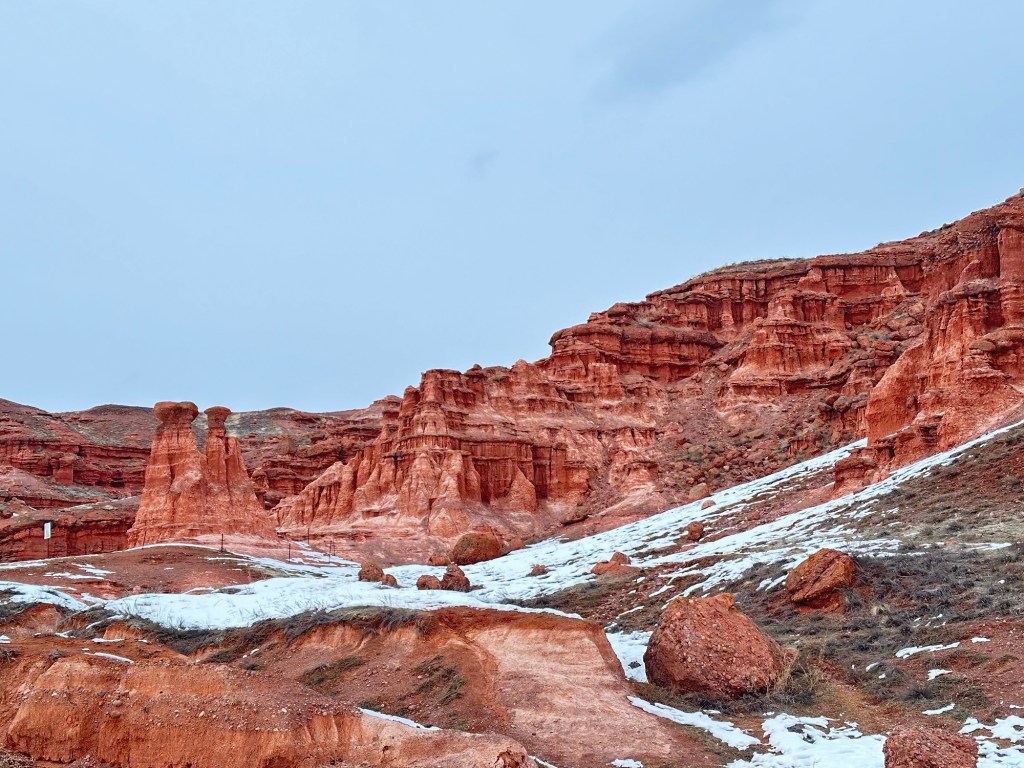
The fairy chimneys of Cappadocia are on every traveller’s list and they should be, they are otherworldly. But, the Narman Fairy Chimneys in Erzurum are equally breathtaking. These structures formed as part of hundreds of years of erosion of volcanic rock, making it a geological wonder. In winter, as snow deposits itself on the rocks, it creates a beautiful contrast of red and white making it look like a painting. This being relatively off the beaten path, attracts lesser crowds giving you the space to explore in peace taking in all the beauty it has to offer. I had the entire place to myself, when I visited last winter and I couldn’t have been more luckier.
Ani Ruins: Stepping Back to the Past
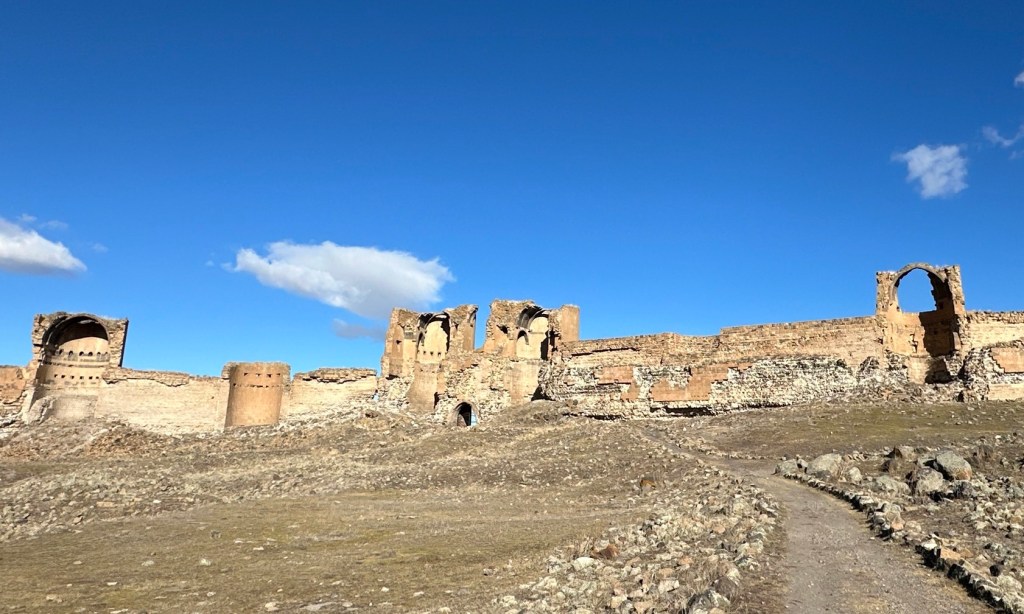
This historical place on the Turkey-Armenia Border is a walk into the region’s rich past. This Armenian city that flourished in 10th century AD as the capital of the Bagratids, got abandoned by the 18th century following a Mongol invasion. What now remains, is the ruins of the monuments that belong to Islam, Christian and Zoroastrian faiths. The stone structures and carvings gave me a glimpse of the artistry that once thrived there.
Walking on a Frozen Lake at Çildir
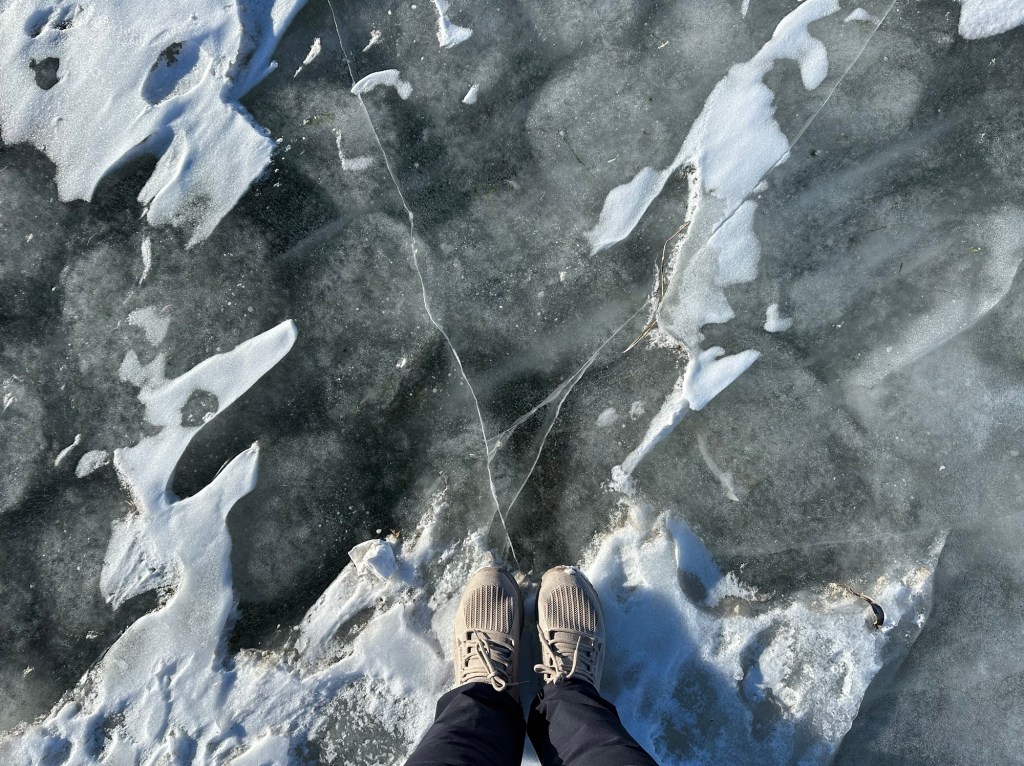
Picture this, strong yet subtle cold winds blowing on your face, locals dancing to Turkish music, slipping on ice trying to hold your balance as you walk on a frozen lake. That is what I experienced at Lake Çildir, an hour’s drive from Kars. The lake freezes in winter allowing you to experience a moment like this, leaving you in a state of constant jaw-drop.
Dengbêjî, a Musical Storytelling
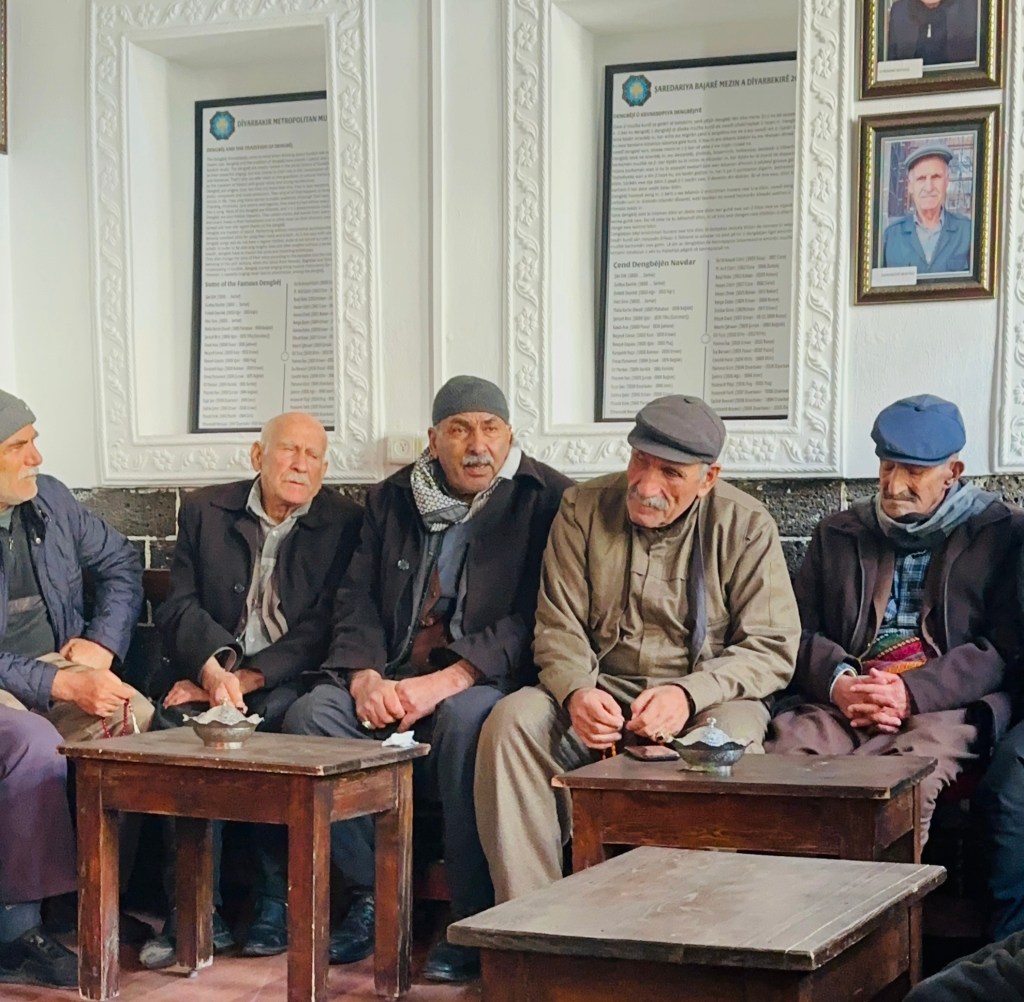
Nurettin, my host in Diyarbakir, led me through the alleys of the old town to listen to this art form. A line of old men, Dengbêjs, sang stories of love, freedom and history. I sat there in a sense of awe and the musical energy felt mystic. It stirred something in me that day, a feeling that I can’t comprehend, guess that’s what art does.
This art form had his share of struggle in the 80s as Kurdish language was prohibited, singers were persecuted, putting Dengbêj in danger. A decade later the ban was lifted and the tradition continued. These men have since then strived to keep it alive.
Mardin and Midyat, the Medieval Cities
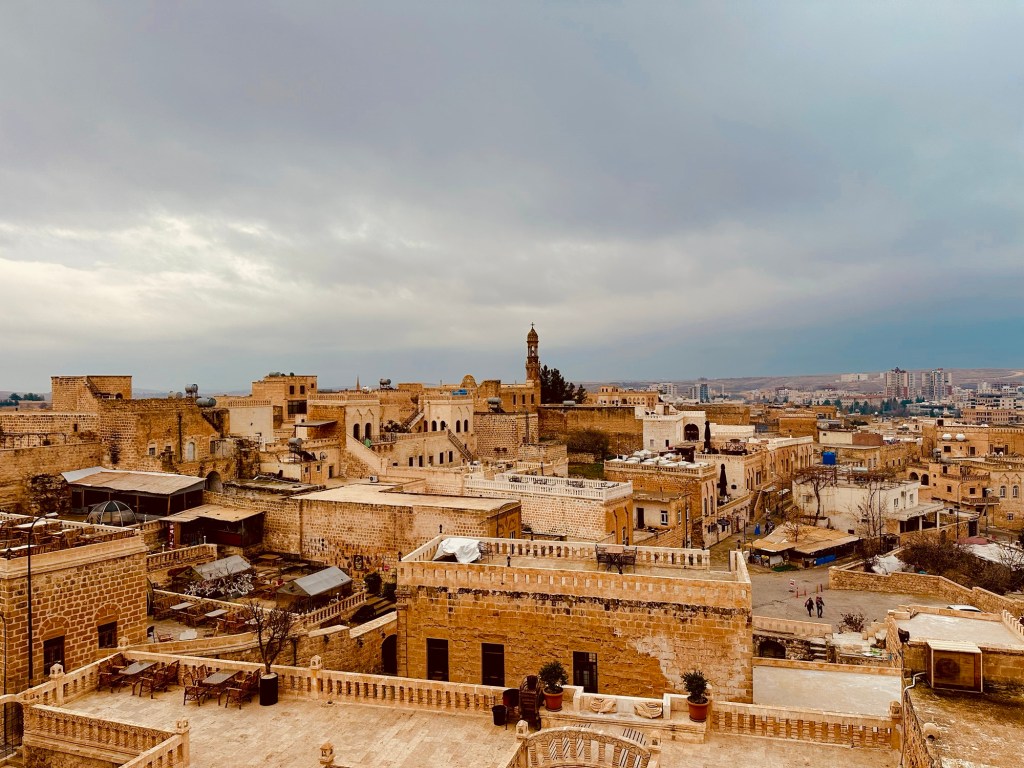
Walking through centuries-old stone buildings in those narrow alleys, immediately transported me to the Medieval times. The limestone walls echo stories of rise and fall of empires and now are a stark reality of the divide between Turks and Kurds, which is rather unfortunate. Wandering through the streets filled with mosques, craftsmanship I couldn’t help but gaze in wonder at the architecture. I personally liked Midyat more, it was quieter and calmer than Mardin. But a visit to both these cities is a must to rub your shoulder with the real Türkiye.
Discover the submerged city at Hasankeyf
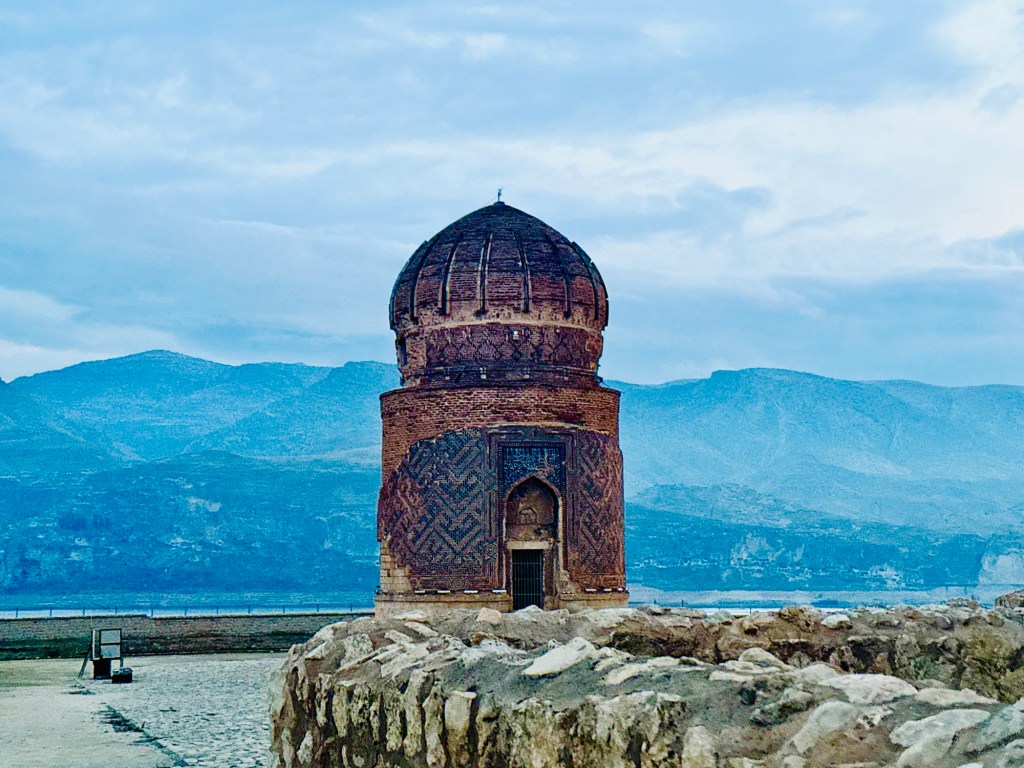
I took the last dolmus (minivan) from Midyat and got down at the highway the leads to Hasankeyf city centre. Being the only visitor, and about to trust google maps, a man probably in his 70s dressed in a suit offered to show me the way. I am glad I did, it was a shortcut, hence faster. I followed him to his house, he called out to his daughter who spoke English and asked what my plan was. He then led the way and took me to Zeylan Bey Tomb. Looking at the Tigris river and the mountain cliffs covered in haze, I reflected on my journey so far, a kind that was fulfilling.
A boat takes one to the other side of the river where the Castle and the caves lie. With the construction of Ilisu Dam, many monuments of the city submerged in water. The government did relocate some of them to an archaeological park nearby for visitors to see.
The man spoke to another guy at the cafe and arranged to have me dropped at the highway to take the dolmus back to Midyat.
Contrary to what news outlets publish to make us believe that this part of the country is unsafe, take it from me – a solo female traveller who went there and had the best time. Drinking Syrian wine and relishing cookies, which are popular due to its proximity to Syria, listening to locals majority of whom are Kurds on their struggle for freedom, and locals going out of their way to help me, my ride in Eastern Turkey will remain close to my heart. I would go back there in a heartbeat.


Leave a Reply